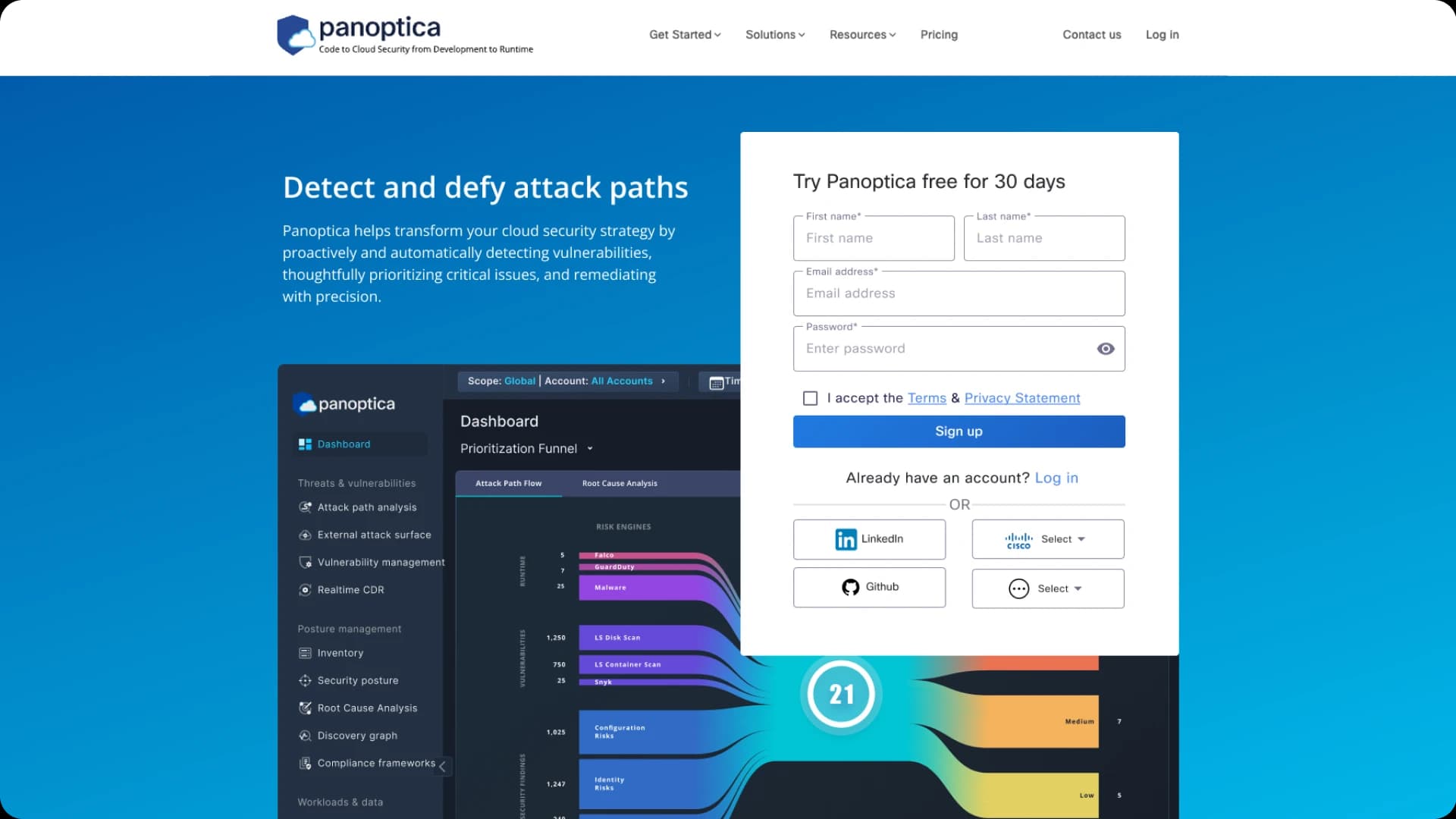
Reduced Friction in a Cloud-Native Security Platform
Panoptica was Cisco Outshift's SaaS solution for securing microservices in cloud-native environments. While powerful, its onboarding process was so complex it required white-glove support.
My challenge was to find a self-serve path, reducing friction, increasing activation, and getting users to value more quickly. I led the design team in true player-coach mode, working hands-on to prototype, test, and validate new growth flows.
Scrappy Experiments
With engineering deep in a major architectural overhaul, waiting for code changes wasn't an option. A third party solution (Appcues) was my solution, allowing us to rapidly validate new onboarding paths without touching the product itself. This would allow us to run experiments at a pace engineering couldn't support, generating real signal from real users while the platform was still being rebuilt underneath.
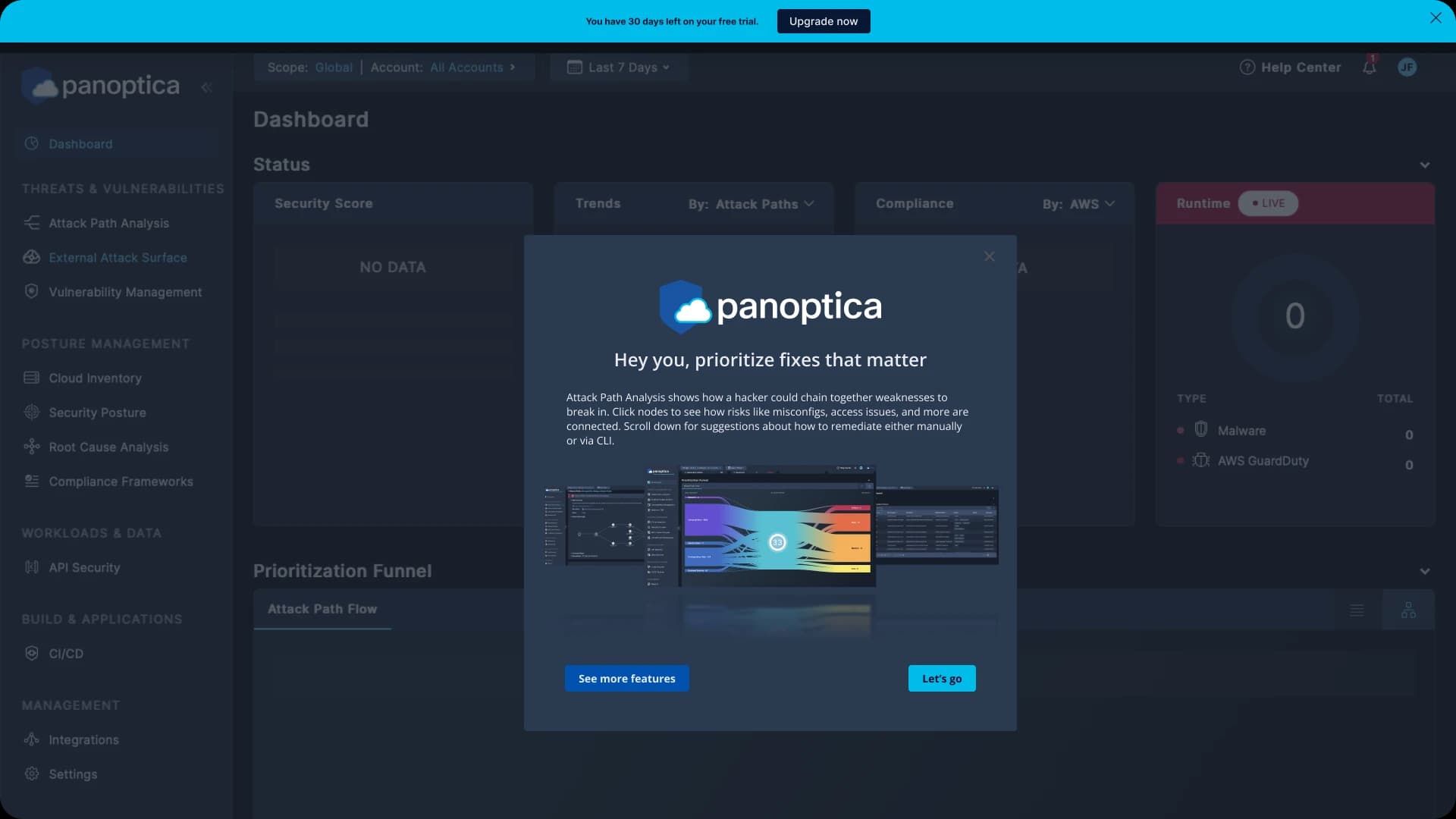
Streamlining Touchpoints
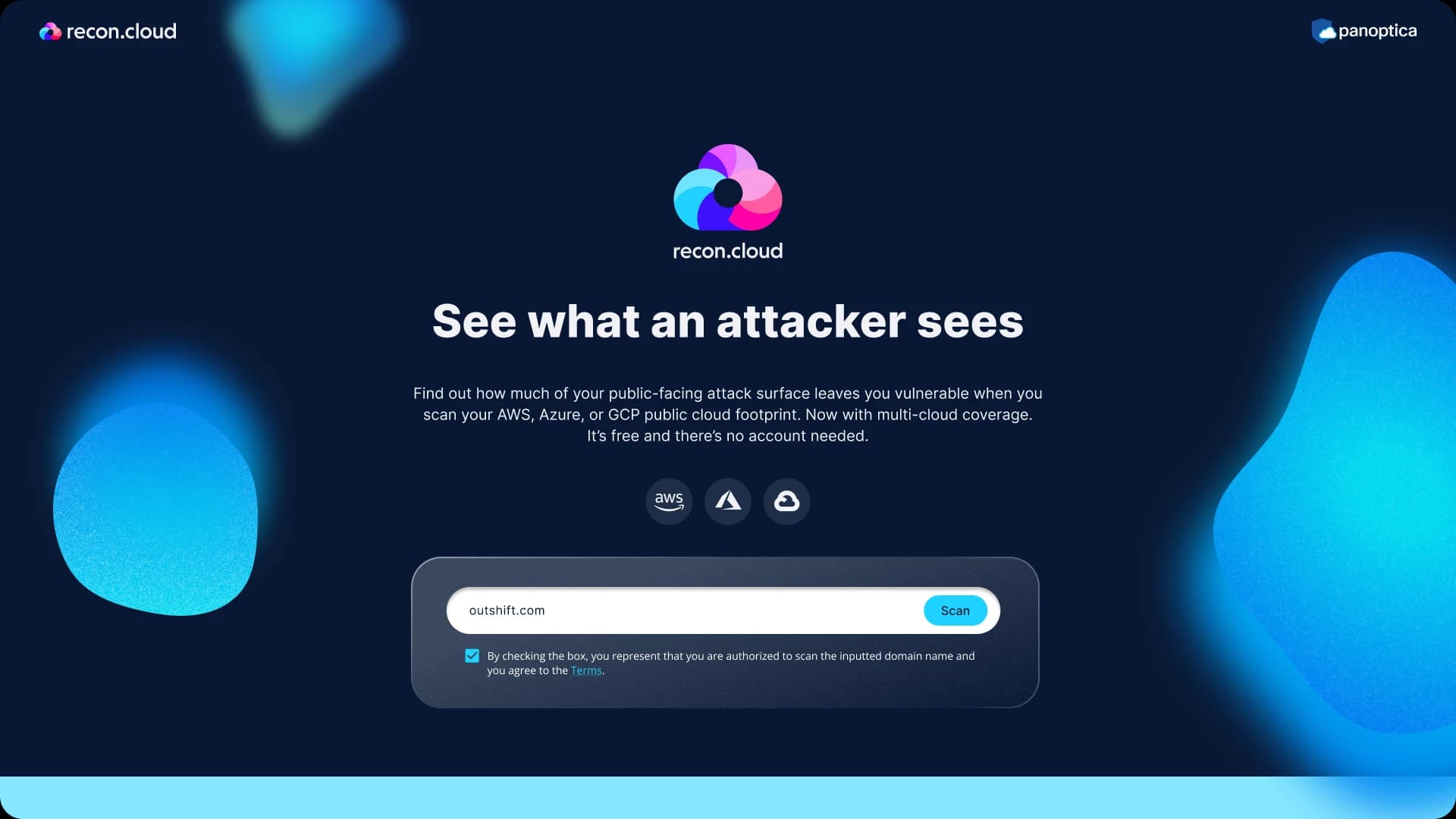
My team and I then mapped the full funnel and identified where users were dropping off. Rather than redesigning everything, we focused only on the critical moments: marketing pages, Recon.cloud (a tool we had acquired that had feature overlap), IAM, and the product's first-run experience. Streamlining those touchpoints end-to-end would reduce friction without requiring a complete overhaul.
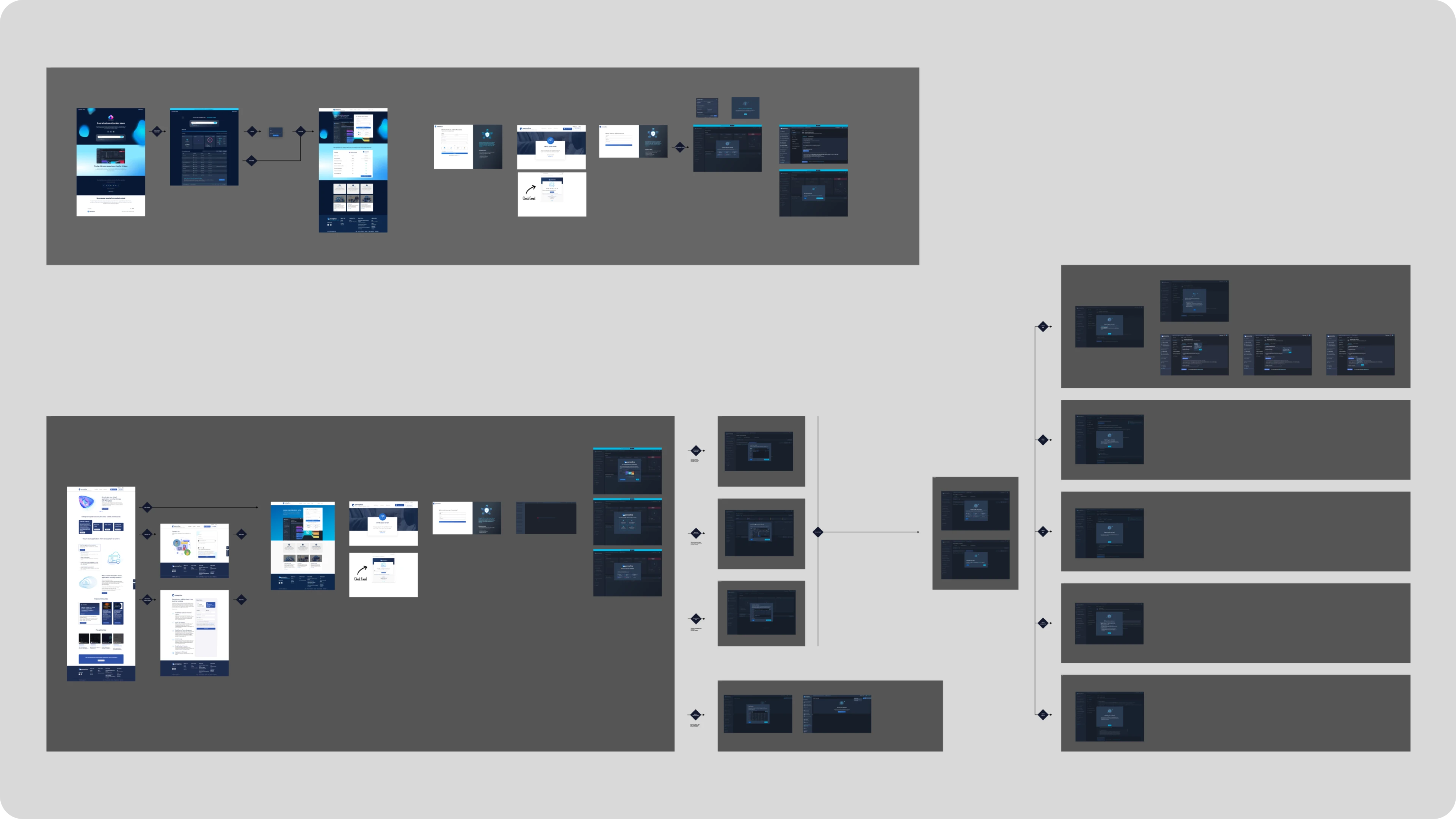
Adaptive Flows
Not all users had the same needs. We introduced flows that adapted to the user: lighter and exploratory for hobbyist developers, more structured and outcome-driven for enterprise buyers. Keeping both paths relevant without bloating the experience required constant prioritization and a willingness to cut.
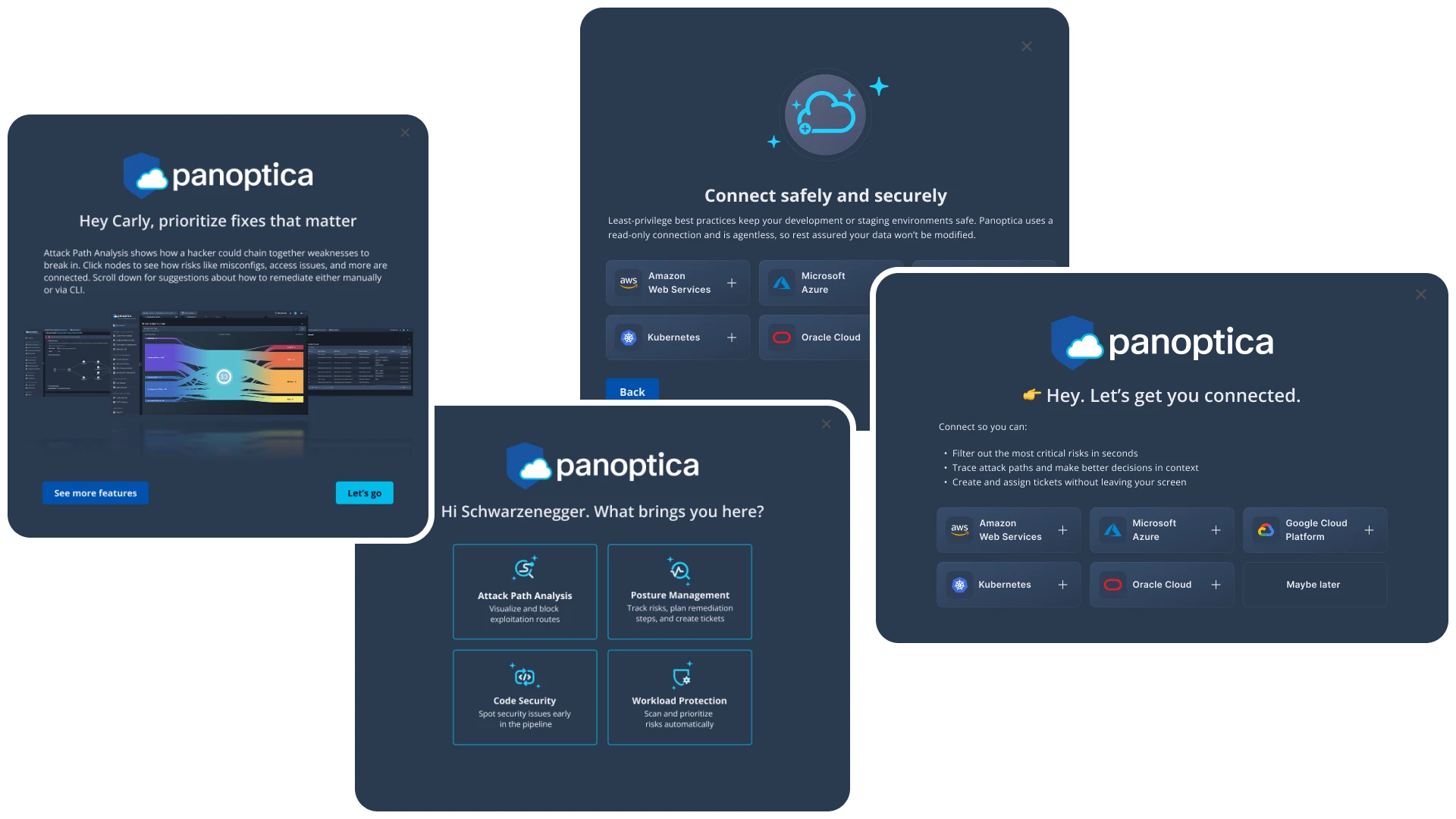
Proving Self-Serve Was Possible
These quick, scrappy interventions traded polish for speed, but they worked. We demonstrated that users could successfully activate without a solution engineer, and in doing so, laid the groundwork for future growth experiments.
Key takeaway: In complex enterprise ecosystems, success isn't about perfect cohesion. It's about finding the moments of value and helping users get there fast.